
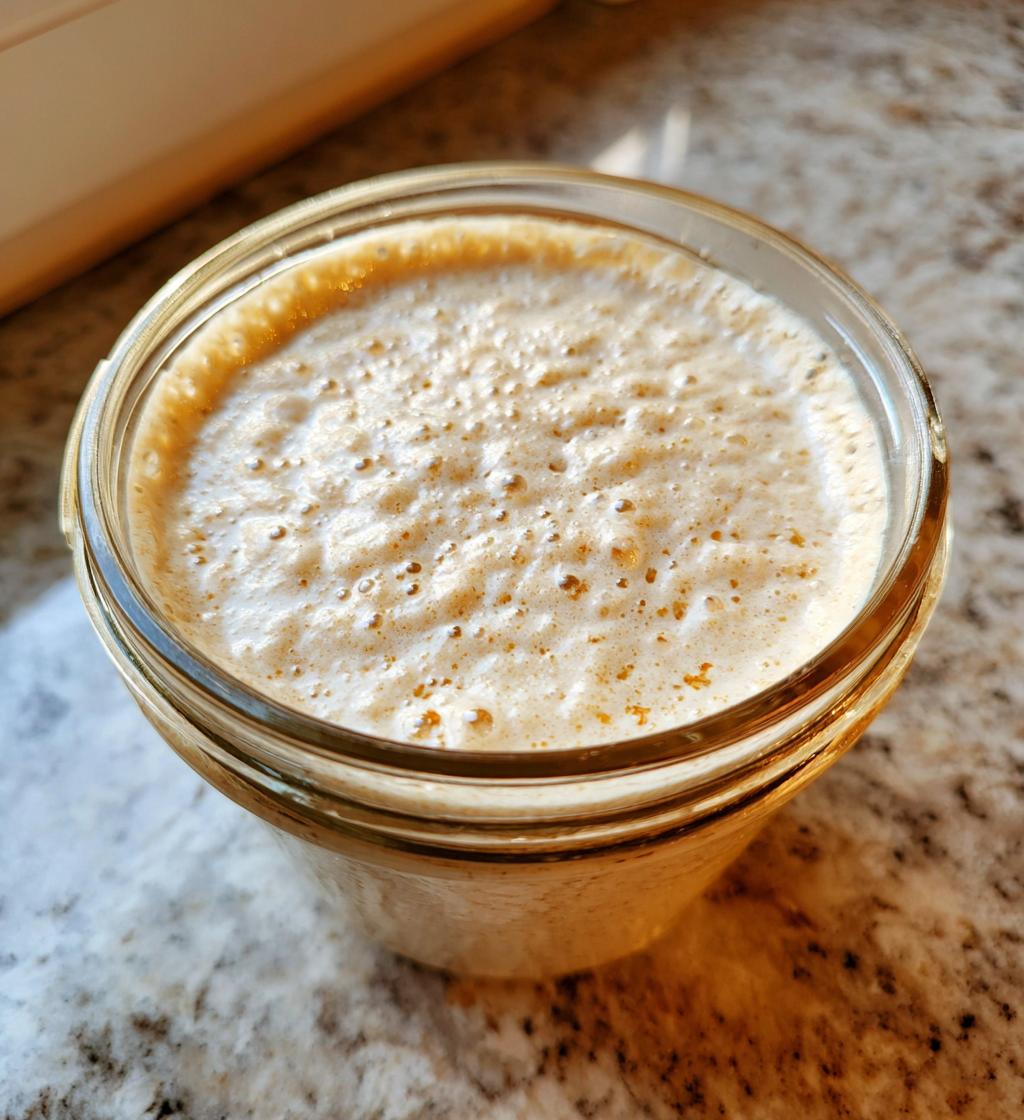
Oh my goodness, let me tell you about the joy of making your own sourdough starter! There’s something truly magical about nurturing a simple blend of flour and water into a bubbly, active starter that has its own personality. Trust me, once you experience the delightful tang of homemade sourdough bread, you’ll never want to go back to store-bought stuff! This sourdough starter recipe is so easy, and it’s like having your little pet that just needs a bit of love and attention every day.
Using a homemade sourdough starter not only brings a unique flavor to your breads, but it also makes you feel like a real baker! The depth of flavor you get from a well-cultivated starter is simply unmatched. Plus, it’s cost-effective! You’re turning basic pantry ingredients into something extraordinary. And the best part? You’ll feel so accomplished every time you bake with it. So, roll up your sleeves, grab your flour and water, and let’s embark on this exciting sourdough adventure together!
Ingredients for Sourdough Starter Recipe
Getting started with your sourdough starter is super simple! You only need two basic ingredients that you probably already have in your pantry. Here’s what you’ll need:
- 1 cup all-purpose flour: This is your main ingredient that gives structure and strength to your starter. You can also experiment with whole wheat flour for a faster fermentation if you’re feeling adventurous!
- 1 cup water: Make sure it’s at room temperature. This will help activate the natural yeast present in the flour. Avoid using chlorinated tap water as it can inhibit the fermentation process.
That’s it! With just these two ingredients, you’ll be on your way to creating a lively and flavorful sourdough starter. How easy is that? Let’s dive into the fun part of bringing these ingredients together!
How to Prepare Your Sourdough Starter Recipe
Now that you’ve got your ingredients ready, let’s jump straight into the process of making your sourdough starter! This is where the magic begins, and I promise it’s easier than you might think. Just follow these simple steps, and you’ll be on your way to a bubbly, active starter in no time!
Step 1: Combine Flour and Water
First things first, grab a clean glass jar—this is super important! You want to make sure there’s no leftover residue that could affect your starter. In the jar, mix together 1 cup of all-purpose flour and 1 cup of room-temperature water. Use a whisk or a fork to stir until the mixture is nice and smooth, with no lumps. It should have a thick, paste-like consistency. This is the foundation of your sourdough starter!
Step 2: Let It Sit
Now that you’ve combined your flour and water, it’s time to let this little mixture rest. Cover the jar loosely with a cloth or plastic wrap—this allows air to flow in, which is essential for fermentation. Place it in a warm spot, ideally around 70-75°F (21-24°C), for a full 24 hours. This resting period is when the wild yeast and bacteria from the flour start to wake up and work their magic!
Step 3: Feed the Starter
After 24 hours, it’s feeding time! You’ll want to discard half of your starter—don’t worry, it’s just a way to keep it healthy and active. To the remaining mixture, add another 1 cup of flour and 1 cup of water. Stir it well until it’s all combined, and then cover it again. This feeding process should be repeated every 24 hours for about 5-7 days. You’ll notice bubbles forming and the mixture rising as the days go by—this means your starter is becoming more powerful!
Step 4: Monitoring Progress
Keep an eye on your starter during this time! It’s ready to use when it has a pleasant sour smell and consistently doubles in size after each feeding. Look for those lovely bubbles and a spongy texture. These signs mean your starter is healthy and ready to help you bake some delicious sourdough bread. Just remember, patience is key, and you’ll be rewarded with a fantastic starter!
Tips for Success with Your Sourdough Starter Recipe
Creating a successful sourdough starter is all about attention to detail and a little bit of patience. Here are my top tips to ensure your starter thrives:
- Choose the Right Environment: Your starter loves warmth! Aim for a cozy spot in your kitchen that stays between 70-75°F (21-24°C). If it’s too cold, your starter might take longer to develop. If it gets too hot, it could ferment too quickly, leading to an off flavor.
- Experiment with Flour: While all-purpose flour works beautifully, consider mixing in whole wheat or rye flour for added flavor and faster fermentation. These flours have more nutrients that wild yeast loves!
- Stay Consistent with Feedings: Try to feed your starter around the same time each day. Consistency helps maintain its strength and ensures it’s always ready for baking.
- Keep It Clean: Always use a clean jar and utensils to prevent unwanted bacteria from interfering with your starter. A little cleanliness goes a long way!
- Don’t Panic if Things Go Wrong: If you see any discoloration or funky smells, it’s okay to start over. Sometimes, it’s just not meant to be, and that’s perfectly fine!
With these tips in your back pocket, you’ll be well on your way to cultivating a healthy, bubbly sourdough starter that you can be proud of!
Nutritional Information
When it comes to your homemade sourdough starter, it’s good to know what you’re working with! Here’s an estimated nutritional breakdown per tablespoon of your finished starter:
- Calories: 20
- Fat: 0g
- Saturated Fat: 0g
- Trans Fat: 0g
- Unsaturated Fat: 0g
- Cholesterol: 0mg
- Carbohydrates: 4g
- Fiber: 0g
- Protein: 1g
- Sodium: 0mg
- Sugar: 0g
These values are estimates, of course, but they give you a good idea of what’s in your starter. It’s mostly made up of carbohydrates from the flour, which is what gives your bread that wonderful texture. So, as you embark on your sourdough journey, keep these numbers in mind and enjoy the wholesome goodness of your homemade creation!
FAQ about Sourdough Starter Recipe
Got questions about your sourdough starter recipe? Don’t worry, I’ve got you covered! Here are some common queries that many new bakers have:
How often should I feed my starter?
You should feed your starter every 24 hours during the initial fermentation phase. Consistency is key to creating a strong and active starter. Once it’s established, you can switch to feeding it every 1-2 weeks if you store it in the fridge.
What if my starter doesn’t rise?
If your starter isn’t rising, it might be too cold or lacking in nutrients. Make sure it’s in a warm spot (around 70-75°F) and consider adding a bit of whole wheat or rye flour to boost its activity. Just be patient—it may take a few extra days!
Can I use tap water for my starter?
It’s best to avoid using chlorinated tap water since chlorine can inhibit yeast growth. If you must use tap water, let it sit out overnight so the chlorine can dissipate.
What should I do if my starter develops a weird smell or color?
If you see any discoloration or encounter odd smells, it’s best to err on the side of caution and discard the starter. It’s better to start fresh than to risk baking with something that’s gone off.
How can I tell when my starter is ready to use?
Your starter is ready when it doubles in size after each feeding, has a nice bubbly texture, and gives off a pleasant sour aroma. It should feel light and airy—perfect for making delicious sourdough bread!
Why You’ll Love This Sourdough Starter Recipe
Making your own sourdough starter is one of the most rewarding baking experiences you can have! Here are just a few reasons why you’ll fall head over heels for this process:
- Cost-Effective: With just flour and water, you’re transforming simple ingredients into something extraordinary. Say goodbye to store-bought starters that can be pricey!
- Freshness: There’s nothing like the taste of freshly baked bread made with your own starter. You can control the flavor profile, ensuring every loaf is perfectly personalized.
- Flavor Enhancement: Homemade sourdough offers a depth of flavor that you just can’t get from commercial yeast. That delightful tang truly elevates your bread!
- Satisfaction: Watching your starter bubble and grow is incredibly satisfying. You’ll feel a real sense of achievement knowing you nurtured it from scratch!
- Connection to Tradition: Engaging in the age-old art of sourdough baking helps you connect to a rich history of bakers before you. It’s a beautiful way to keep those traditions alive!
Trust me, once you start this journey, you won’t look back. Your baking game is about to level up in the most delicious way!
Storage & Reheating Instructions
Once you’ve got your sourdough starter thriving, you want to keep it healthy and happy! If you plan to bake frequently, simply leave it out at room temperature and keep feeding it every 24 hours. You’ll be amazed at how quickly it grows! But if you need a break from baking, you can store your starter in the refrigerator. Just make sure to feed it well before you pop it in there.
When stored in the fridge, you can stretch out the feedings to once every week or two. Just remember, it’s normal for it to sink a bit and develop a layer of liquid on top—this is called “hooch” and it’s harmless! When you’re ready to bake again, take it out, let it warm up to room temperature, and feed it a couple of times until it’s bubbly and active. You’ll be back to baking delicious sourdough in no time!
Print
Sourdough Starter Recipe: 5 Steps to Baking Bliss
- Total Time: 7 days
- Yield: 1 cup of sourdough starter 1x
- Diet: Vegan
Description
A simple guide to creating your own sourdough starter from scratch.
Ingredients
- 1 cup all-purpose flour
- 1 cup water
Instructions
- In a clean glass jar, combine 1 cup of flour and 1 cup of water.
- Stir until the mixture is smooth and free of lumps.
- Cover the jar with a cloth or plastic wrap, allowing air to flow in.
- Let the mixture sit at room temperature for 24 hours.
- After 24 hours, discard half of the starter and add another 1 cup of flour and 1 cup of water.
- Repeat the feeding process every 24 hours for about 5-7 days until bubbles form and it doubles in size.
- Your starter is ready when it has a pleasant sour smell and can rise consistently after each feeding.
Notes
- Use whole wheat flour for a faster fermentation.
- Keep the starter in a warm place, around 70-75°F.
- If you see any discoloration, discard the starter and start over.
- Prep Time: 10 minutes
- Cook Time: 0 minutes
- Category: Baking
- Method: Fermentation
- Cuisine: American
Nutrition
- Serving Size: 1 tablespoon
- Calories: 20
- Sugar: 0g
- Sodium: 0mg
- Fat: 0g
- Saturated Fat: 0g
- Unsaturated Fat: 0g
- Trans Fat: 0g
- Carbohydrates: 4g
- Fiber: 0g
- Protein: 1g
- Cholesterol: 0mg
Keywords: sourdough starter recipe, homemade sourdough, bread starter