
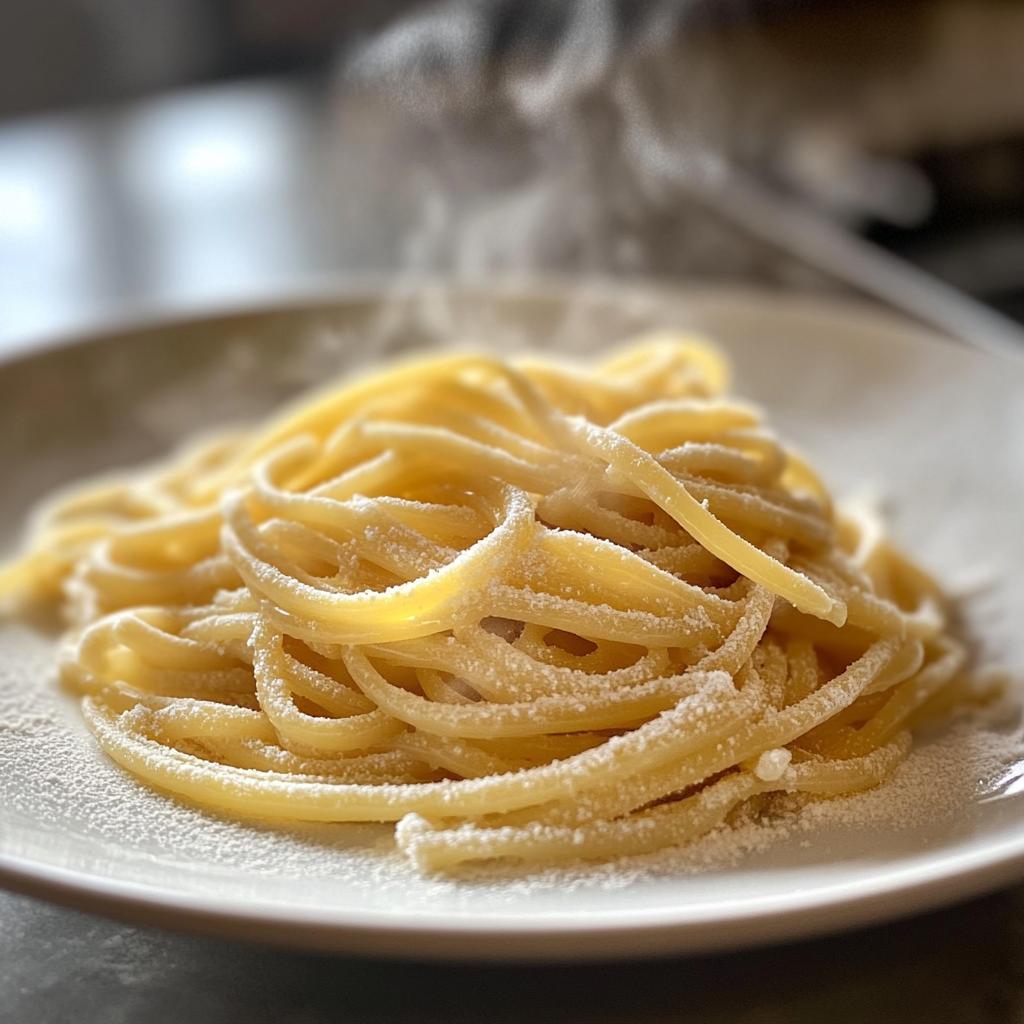
There’s something almost magical about making homemade pasta. The first time I tried it, I was shocked at how simple it was—just flour, eggs, and a little elbow grease transformed into something so much better than anything from a box. I remember my Nonna watching me struggle with the dough, laughing as I got flour everywhere. “Patience,” she’d say, “it’s just flour and eggs, but it becomes something special when you put love into it.”
Once you taste fresh pasta, there’s no going back. That tender bite, the way it holds sauce perfectly—it’s a revelation. And here’s the best part: you don’t need fancy equipment or years of training. My version keeps it beautifully simple with just four ingredients. On busy weeknights, I can whip up a batch faster than driving to the store. For special occasions, I’ll make extra to impress guests (they always think I slaved for hours).
What I love most is how forgiving this process is. Mess up the shape? No problem—it still tastes amazing. Dough too sticky? Add a dusting of flour. The kitchen might get messy (mine always does), but the reward is worth every floury fingerprint. Trust me, once you experience that first forkful of pasta you made yourself, you’ll understand why people have been making it this way for centuries.
Why You’ll Love This Homemade Pasta Recipe
Let me tell you why this recipe will become your new kitchen obsession:
- It’s shockingly quick – From mixing bowl to plate in under an hour (most of that’s just resting time!)
- Simpler than you think – Just flour, eggs, and salt transform into something magical
- Endless customization – Roll it thick for rustic pappardelle or thin for delicate tagliatelle
- Taste that beats store-bought – That tender, fresh bite makes canned sauce taste gourmet
- Healthier without trying – No preservatives or mystery ingredients, just real food
The first time I made it, I couldn’t believe something so simple could taste so incredible. Now I catch myself making excuses to whip up a batch – “Oh, we’re out of pasta? Guess I’ll have to make fresh!”
Ingredients for Homemade Pasta
Here’s all you need to make magic happen—seriously, just four simple ingredients:
- 2 cups (250g) all-purpose flour – plus extra for dusting (I often use half semolina flour for extra texture)
- 3 large eggs – room temperature blends better
- ½ teaspoon fine sea salt – trust me, it makes a difference
- 1 tablespoon good olive oil – my secret for silky dough
That’s it! No fancy additives—just real ingredients that probably already live in your pantry.
How to Make Homemade Pasta Step-by-Step
Alright, let’s get our hands floury! I’ll walk you through each step like I’m right there in the kitchen with you. Don’t worry if it’s messy at first—my first attempt looked like a flour bomb went off. The magic happens when you take your time and enjoy the process.
Mixing the Dough
First, dump your flour onto a clean counter (I use my trusty wooden cutting board) and make a volcano shape with a deep well in the center. Crack those eggs right into the crater—it’s oddly satisfying! Add the olive oil and salt too. Now, here’s my trick: use a fork to gently beat the eggs while slowly pulling in flour from the sides. This keeps everything contained at first. Once it starts coming together, ditch the fork and use your hands to bring it all into a shaggy dough. If it’s too sticky, add a dusting of flour; too dry, wet your fingers with a bit of water.
Kneading and Resting
Now the fun part—kneading! Push the dough away with the heel of your hand, fold it over, give it a quarter turn, and repeat. You’re looking for smooth, elastic dough that springs back when poked—about 8-10 minutes of kneading. Pro tip: if your arms get tired, let the dough rest for 5 minutes halfway through. When it’s ready, shape it into a ball, wrap in plastic, and let it nap for 30 minutes. This resting period is non-negotiable—it relaxes the gluten so your pasta rolls out beautifully.
Rolling and Cutting
After its beauty sleep, divide the dough into 4 pieces (keep the others covered). Flour your surface generously—fresh pasta loves to stick! Roll each piece as thin as you can (I aim for credit card thickness). For cutting, you can go rustic with a knife or fancy with a pasta cutter. My favorite? Tagliatelle—about 1/4 inch wide ribbons. Lay them on a floured towel so they don’t stick together while you work. Don’t stress about perfection—irregular shapes mean extra nooks for sauce!
Cooking Homemade Pasta
Bring a big pot of water to a rolling boil—salt it like the sea (about 2 tablespoons per gallon). Fresh pasta cooks in just 2-3 minutes—you’ll see it float when nearly done. Taste a strand a minute early; it should have a slight bite (al dente). Drain but save a cup of that starchy water—it’s liquid gold for adjusting sauce consistency later. And whatever you do, don’t rinse it! You’ll wash away all that lovely texture that makes homemade pasta so special.
Tips for Perfect Homemade Pasta
After countless batches (and yes, plenty of mistakes), here are my hard-earned secrets for pasta perfection:
- Flour is your friend – Dust surfaces generously, but don’t overdo it in the dough. Too much makes pasta tough.
- The thumbprint test – Properly kneaded dough should hold an indent when pressed but slowly spring back.
- Roll thin, then thinner – When you think it’s thin enough, roll it three more times. Fresh pasta plumps when cooking!
- Semolina savior – Toss cut pasta in semolina flour instead of regular flour—it prevents sticking without making gummy.
- Quick dry trick – Let shaped pasta air-dry for 15 minutes before cooking—helps prevent clumping in the pot.
Remember: imperfect homemade pasta still beats perfect store-bought any day. My first tagliatelle looked like abstract art—but tasted divine!
Homemade Pasta Variations
Once you’ve mastered the basic recipe, the real fun begins! My kitchen adventures have led to some delicious twists on classic homemade pasta:
- Herb-infused – Knead in 2 tablespoons of finely chopped fresh basil or parsley for vibrant green flecks
- Spinach beauty – Blend ½ cup cooked spinach (squeezed dry!) with the eggs for gorgeous emerald ribbons
- Squid ink drama – Add 1 teaspoon squid ink paste for dramatic black pasta that impresses every time
- Whole wheat heartiness – Substitute 1 cup whole wheat flour for nutty flavor and extra fiber
- Spicy kick – Mix in ½ teaspoon crushed red pepper flakes for pasta with personality
My favorite? Roasted beet purée makes the most stunning pink pasta—perfect for Valentine’s Day or just cheering up a Tuesday night. The possibilities are endless!
Serving Suggestions for Homemade Pasta
Oh, the joy of twirling that first forkful of fresh pasta through sauce! Here’s how I love to serve mine:
- Classic marinara – Nothing beats homemade tomato sauce with a shower of Parmesan
- Garlicky pesto – Fresh basil pesto clings to every ridge beautifully
- Brown butter sage – My lazy-night favorite—just butter, sage, and pasta water magic
- Crusty bread – Essential for scooping up every last bit of sauce
- Simple salad – A crisp arugula salad cuts the richness perfectly
Pro tip: Toss the pasta directly in the sauce with a splash of starchy cooking water—it creates that luscious, restaurant-quality coating.
Storing and Reheating Homemade Pasta
Here’s the good news—fresh pasta freezes like a dream! For fridge storage, I toss the cut noodles with a bit of semolina flour, then nest them in an airtight container with parchment between layers. They’ll keep for 2-3 days this way. For longer storage, freeze them spread out on a baking sheet first (so they don’t clump), then transfer to freezer bags. They’ll be good for a month—just cook straight from frozen, adding an extra minute to the boiling time.
Reheating leftovers? My trick is to dunk the pasta in boiling water for just 30 seconds—it revives that fresh texture beautifully. Microwave reheating makes it gummy, but if you must, sprinkle with water and cover with a damp paper towel. Honestly though? I usually just eat any leftovers cold straight from the fridge—it’s that good!
Homemade Pasta Nutritional Information
Here’s what one serving of this fresh pasta brings to the table—but remember, these are estimates and your exact numbers might dance a bit depending on your specific ingredients:
- 300 calories per generous 1-cup serving
- 10g protein – Those eggs really pull their weight!
- 5g fat (mostly the good kind from olive oil and yolks)
- 50g carbs – Perfect fuel for your next pasta-twirling session
The best part? You control exactly what goes in—no mysterious additives or preservatives like the store-bought stuff. That’s amore!
Frequently Asked Questions About Homemade Pasta
After years of making (and eating!) fresh pasta, I’ve heard every question imaginable. Here are the ones that pop up most often:
Can I use gluten-free flour for homemade pasta?
Absolutely! I’ve had great success with a 1:1 gluten-free flour blend (look for one with xanthan gum). The texture will be slightly more delicate, so handle it gently when rolling. My gluten-free trick? Add an extra egg yolk for better binding.
How long does fresh pasta last in the fridge?
Properly stored (in an airtight container with parchment between layers), it keeps wonderfully for 2-3 days. After that, the texture changes—though I’ve never had any last that long in my house! For longer storage, freeze it—it’ll be good for about a month.
Why is my pasta dough so sticky?
This happens to everyone at first! Just add flour a tablespoon at a time while kneading. Remember—it’s better to start with slightly sticky dough than add too much flour and end up with tough pasta. The dough should feel like soft playdough when ready.
Can I make pasta without eggs?
Yes! My vegan friends love a “water dough”—just replace each egg with 3 tablespoons water and 1 tablespoon olive oil. The texture is different (more delicate), but still delicious with robust sauces.
Is homemade pasta healthier than store-bought?
In my experience, absolutely! You control the ingredients—no preservatives, additives, or mystery components. Plus, you use less pasta per serving because fresh tastes so much more satisfying. My waistline definitely notices the difference!
Homemade Pasta in 4 Easy Steps You Must Try Now
- Total Time: 43 minutes
- Yield: 4 servings 1x
- Diet: Vegetarian
Description
Learn how to make fresh pasta from scratch with simple ingredients.
Ingredients
- 2 cups all-purpose flour
- 3 large eggs
- 1/2 teaspoon salt
- 1 tablespoon olive oil
Instructions
- Mix flour and salt on a clean surface.
- Create a well in the center and add eggs and olive oil.
- Knead the dough until smooth and elastic.
- Cover and let rest for 30 minutes.
- Roll out the dough and cut into desired shapes.
- Cook in boiling salted water for 2-3 minutes.
Notes
- Use semolina flour for a firmer texture.
- Adjust flour or eggs slightly if dough is too sticky or dry.
- Fresh pasta cooks faster than dried pasta.
- Prep Time: 40 minutes
- Cook Time: 3 minutes
- Category: Main Course
- Method: Handmade
- Cuisine: Italian
Nutrition
- Serving Size: 1 cup
- Calories: 300
- Sugar: 1g
- Sodium: 150mg
- Fat: 5g
- Saturated Fat: 1g
- Unsaturated Fat: 3g
- Trans Fat: 0g
- Carbohydrates: 50g
- Fiber: 2g
- Protein: 10g
- Cholesterol: 140mg
Keywords: fresh pasta, homemade pasta, easy pasta recipe