May Seasonal Produce Guide: 5 Irresistible Ingredients to Try This Month
Welcome to the May seasonal produce guide, where you can discover the freshest ingredients that spring has to offer! As the days grow longer and the weather warms up, a bountiful array of fruits and vegetables comes into season, providing you with vibrant colors and rich flavors to elevate your meals. This guide not only saves you time in the grocery store by highlighting what’s currently available but also ensures that you and your family enjoy the benefits of eating fresh, local produce. Do you ever wonder what the best ingredients to explore each month are? Dive in as we explore the delightful tastes and textures of May!
Imagine walking through a sun-kissed farmer’s market, the air filled with the sweet scents of ripe strawberries, freshly picked peas, and bright green herbs. Each item catches your eye, showcasing the beauty of nature’s palette. The juicy strawberries burst with sweetness, while the crisp snap of snap peas adds a satisfying crunch to your salads and stir-fries. The earthy aroma of asparagus grilling on the barbecue brings a sense of warmth to your gatherings. You can almost taste the freshness of these ingredients as they come together to create unforgettable meals.
Moreover, the health benefits of consuming seasonal produce are crucial to consider. Seasonal fruits and vegetables are often packed with nutrients at their peak ripeness. For example, strawberries provide a significant source of Vitamin C and antioxidants, which help support your immune system. Asparagus is rich in Vitamin K and folate, promoting healthy bones and cell function. With each bite, you’re not only savoring the flavors but also nourishing your body with essential vitamins and minerals. Did you know that eating fresh, seasonal produce can also reduce your carbon footprint? It’s a win-win for your health and the environment!
In this guide, we will explore five exceptional ingredients that are in season during May and provide you with ideas on how to incorporate them into your meals. This specific version of a seasonal produce guide stands out because it focuses on the ingredients available in May, giving you the best options for your springtime cooking. Plus, it offers unique recipes that cater to families, beginners, and those looking to impress at dinner parties. The versatility of these ingredients makes them ideal for a variety of occasions, whether it’s a weeknight dinner or a special gathering.
Quick summary: In this May seasonal produce guide, we will explore five irresistible ingredients, including strawberries, asparagus, peas, radishes, and rhubarb. The prep time for these recipes is minimal, making them suitable for even the busiest weeknight dinners. Whether you’re a beginner or an experienced cook, these ingredients provide endless possibilities to enjoy the best of May!
What is the May Seasonal Produce Guide?
The May seasonal produce guide is a comprehensive overview of the fruits and vegetables that are at their peak during this vibrant month. Each ingredient offers its unique flavor profile and nutritional benefits, making them essential for your springtime culinary adventures. By utilizing seasonal produce, you not only enhance your meals but also support local farmers and reduce your environmental impact. In May, you can look forward to an array of colorful ingredients that will brighten up your dishes, from sweet strawberries to tender asparagus.
Why You Will Love This Guide
- Discover fresh ingredients that are at their peak, ensuring maximum flavor and nutrients.
- Learn about the health benefits of each ingredient, enhancing your overall diet.
- Get inspired with versatile ways to incorporate seasonal produce into your meals.
- Enjoy recipes that cater to various dietary preferences, including gluten-free and vegan options.
- Connect with nature and support local farmers by choosing seasonal items.
Ingredients You Need
- Strawberries: Rich in Vitamin C, they provide a sweet flavor perfect for desserts and salads.
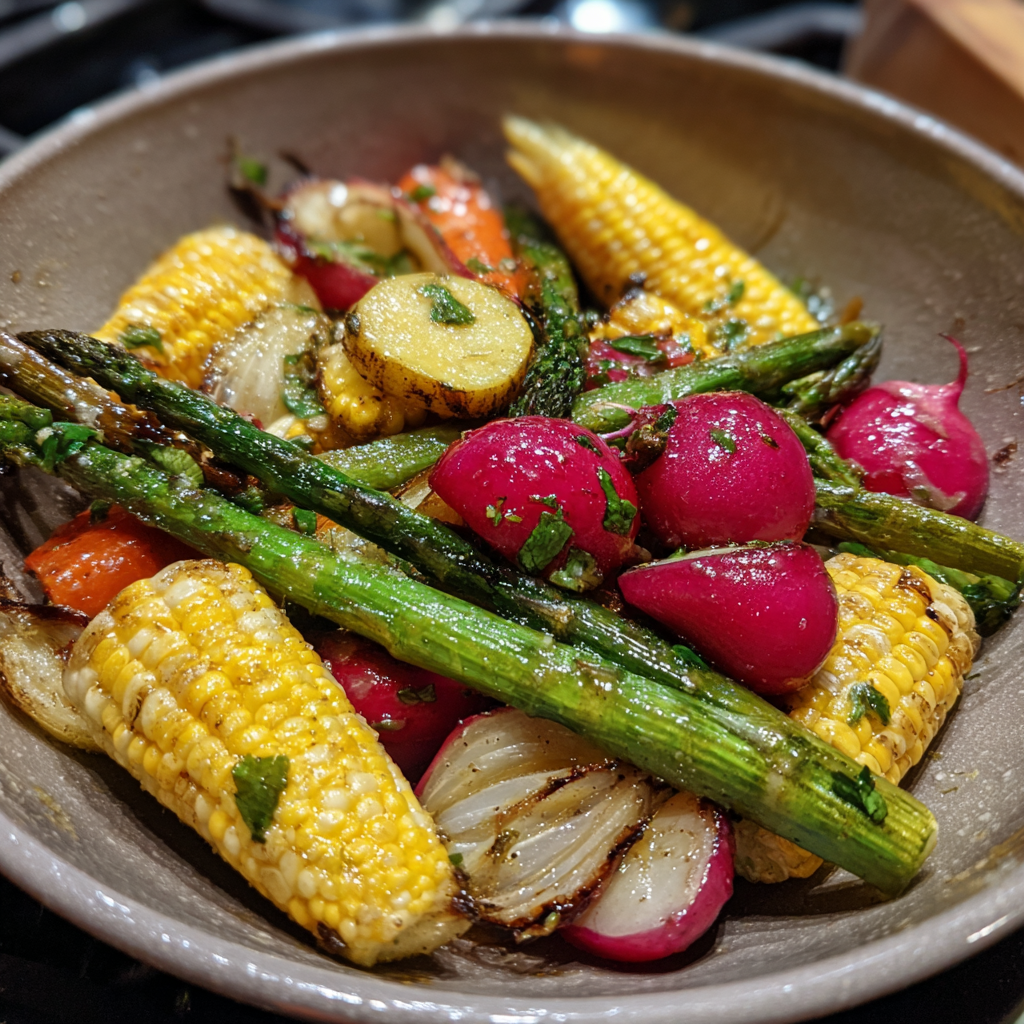
- Asparagus: Packed with Vitamin K and folate, it’s great for roasting or grilling.
- Snap Peas: These crunchy delights are high in fiber, ideal for snacking or adding to stir-fries.
- Radishes: With their peppery bite, they are excellent for salads and garnishes, offering Vitamin C.
- Rhubarb: This tart vegetable is perfect for pies and desserts, and it’s a good source of calcium.
How to Make the Most of May’s Produce
- Start with fresh ingredients from your local market or grocery store.
- Wash and prepare your ingredients properly to enhance their flavors and textures.
- Experiment with different cooking methods, such as grilling asparagus or roasting radishes, to bring out their natural sweetness.
- Combine ingredients in salads, stir-fries, or desserts to create balanced and satisfying meals.
- Store any leftover produce correctly to maintain their freshness for longer.
Pro Tip: Always choose vibrant, firm produce to ensure freshness and quality.
Expert Tips for Best Results
- Choose organic produce whenever possible for better taste and nutrient density.
- Incorporate herbs, like basil or mint, to enhance the flavor of your seasonal dishes.
- Pair strawberries with balsamic vinegar for a refreshing salad option.
- Blanch snap peas before adding them to stir-fries for a vibrant color and crunch.
- Use rhubarb in a compote for an easy topping on yogurt or pancakes.
- Try pickling radishes for a unique tangy addition to tacos and sandwiches.
Variations and Substitutions
- For a gluten-free option, use quinoa or rice as a base for salads instead of pasta.
- Make a vegan version of rhubarb pie by substituting butter with coconut oil or vegan margarine.
- Experiment with different herbs and spices to customize the flavor of your dishes.
- Swap out asparagus for green beans in recipes for a different texture and taste.
How to Serve and Store
Serve your seasonal dishes fresh, highlighting the natural flavors of the ingredients. A vibrant salad made with strawberries, snap peas, and radishes makes for a delightful side dish or light main course. For storage, most fresh produce can last up to a week in the refrigerator. However, strawberries should be consumed within a few days for the best flavor. You can freeze rhubarb for up to a year, making it easy to use in winter desserts. When reheating cooked dishes, use a microwave or stovetop to maintain texture.
Frequently Asked Questions
What fruits are in season in May?
Yes, strawberries, cherries, and rhubarb are popular fruits in season during May.
How do I store fresh asparagus?
Store fresh asparagus upright in a jar with water and cover it loosely with a plastic bag in the refrigerator.
Can I eat rhubarb raw?
No, rhubarb is too tart to eat raw; it is best cooked, often in pies or compotes.
What is the best way to cook snap peas?
Steam or sauté snap peas for a quick and vibrant side dish that retains their crispness.
Are radishes good for you?
Yes, radishes are low in calories and high in vitamin C, making them a nutritious addition to your diet.
How can I incorporate seasonal produce into my diet?
Incorporate seasonal produce by adding them to salads, smoothies, or main dishes to enjoy their freshness.
In conclusion, the May seasonal produce guide highlights the importance of incorporating fresh fruits and vegetables into your meals. By focusing on ingredients like strawberries and asparagus, you can enjoy significant health benefits and create vibrant dishes. Try this recipe today and leave a comment below!
Print