
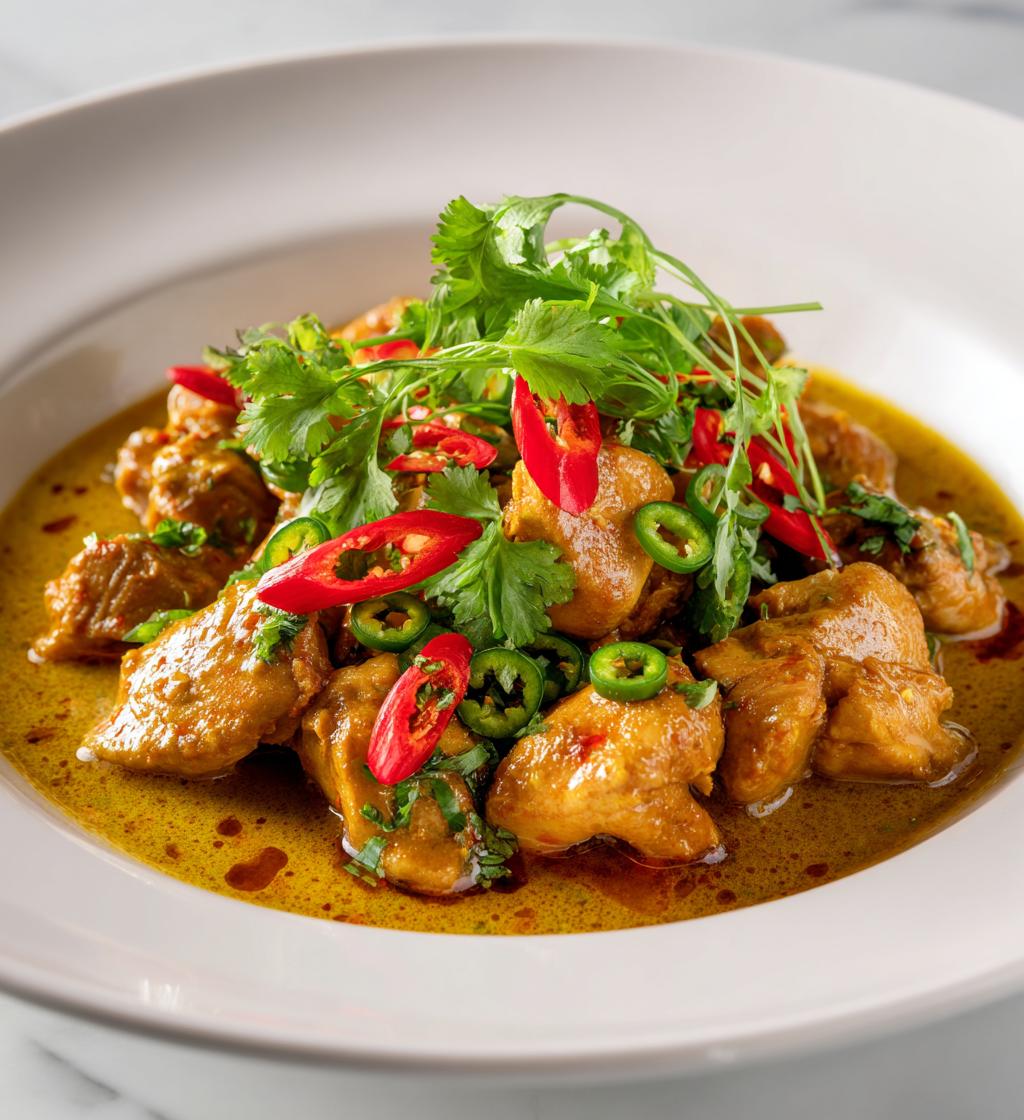
Oh, the first time I tasted East African Kuku Paka, it was love at first bite! This creamy coconut chicken curry from the Swahili coast wraps you in warmth with its rich, aromatic sauce that’s unlike anything else. My auntie taught me her version during a trip to Mombasa, where the scent of simmering coconut milk and spices fills the air around dinnertime.
What makes East African Kuku Paka special is how the coconut milk transforms simple ingredients into something magical – it’s not just a sauce, it’s a velvety embrace for tender chicken pieces. I still remember burning my tongue because I couldn’t wait for it to cool down! The balance of earthy turmeric, fragrant curry powder, and fresh cilantro creates layers of flavor that keep you coming back for more.
This dish represents coastal East African cooking at its best – uncomplicated yet deeply satisfying. Whether served over steaming rice or scooped up with soft chapati, it’s comfort food that transports you straight to the Indian Ocean shores with every spoonful.
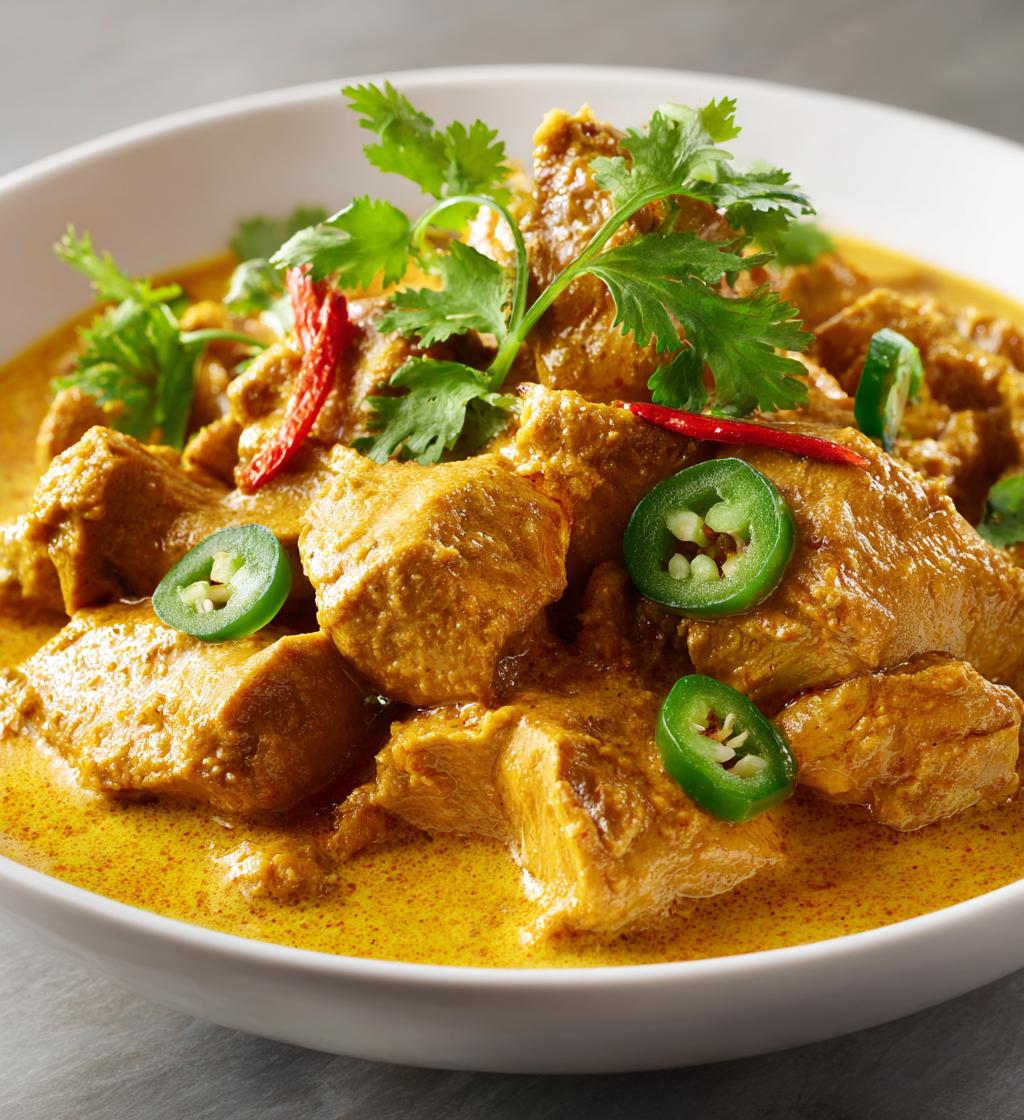
Why You’ll Love This East African Kuku Paka
There’s a reason this dish has been a coastal favorite for generations – it’s simply irresistible! Here’s what makes my version of East African Kuku Paka so special:
- Creamy coconut magic: That luscious sauce made with two full cups of coconut milk wraps every bite in silky richness. It’s the kind of comfort that makes you close your eyes and sigh.
- Weeknight wonder: Don’t let the fancy name fool you – this one-pot wonder comes together in under an hour. The hardest part is waiting for those flavors to meld!
- Flavor fireworks: Turmeric’s earthiness, curry powder’s warmth, and fresh cilantro’s brightness create layers of taste that dance on your tongue. The first bite always surprises people.
- Coastal connection: Every spoonful tastes like Mombasa’s beaches. This dish carries centuries of Swahili culture – you’re basically eating history with a side of rice.
- Endlessly adaptable: Want it spicier? Add more chilies. Need it faster? Use boneless thighs. It’s the most forgiving recipe in my rotation, always coming out delicious no matter what.
Trust me, once you’ve made this, you’ll understand why my family asks for it every Sunday. That coconut-infused aroma alone is worth the effort!
Ingredients for East African Kuku Paka
Gathering these simple ingredients is the first step to creating magic! Here’s everything you’ll need for authentic East African Kuku Paka – trust me, each one plays a crucial role in building those incredible flavors:
- 1 kg chicken pieces (skinless, bone-in thighs and drumsticks work best for maximum flavor)
- 2 cups coconut milk (use full-fat canned coconut milk – that rich creaminess is non-negotiable!)
- 2 onions, finely chopped (I swear by yellow onions for their perfect balance of sweetness)
- 3 tomatoes, pureed (or 1 cup canned tomato puree in a pinch)
- 2 tbsp ginger-garlic paste (freshly made if possible – it makes all the difference)
- 1 tbsp curry powder (your favorite brand, but East African curry powder is ideal)
- 1 tsp turmeric powder (for that gorgeous golden color and earthy depth)
- 2 green chilies, thinly sliced (adjust to your heat preference)
- 1/2 cup fresh cilantro, chopped (don’t skip this – it’s the bright finish the dish needs)
- 2 tbsp vegetable oil (or coconut oil for extra flavor)
- 1 tsp salt (plus more to taste – I always end up adding another pinch)
Pro tip from my auntie: If you can find fresh coconut milk in your local African or Asian market, grab it! The flavor is next-level compared to canned. But honestly? Even with regular canned coconut milk, this dish will still blow your mind.
Essential Equipment for East African Kuku Paka
Listen, I know we all want to dive straight into cooking, but having the right tools makes all the difference with East African Kuku Paka. These are my kitchen must-haves – the same ones my auntie swore by when teaching me this recipe:
- Large heavy-bottomed pot: You’ll need something sturdy that distributes heat evenly – those 25 minutes of simmering can be brutal on thin pans. My enameled Dutch oven is perfect for this, but any thick pot you’ve got will work.
- Wooden spoon: Not just for stirring – it’s perfect for scraping up all those delicious browned bits from the chicken. Metal utensils can scratch your pot, and nobody wants to eat enamel chips!
- Measuring cups and spoons: This isn’t the time for eyeballing (trust me, I’ve learned the hard way). Those spice measurements need to be precise to get that authentic Swahili coast flavor balance.
- Sharp chef’s knife: You’ll be chopping onions, mincing ginger, slicing chilies – a dull knife makes this miserable. My well-loved 8-inch chef’s knife is my kitchen MVP for this recipe.
- Sturdy cutting board: Preferably one that doesn’t slide around – dealing with runaway onions while your hands smell like ginger is no fun at all.
See? Nothing fancy needed – just solid, practical tools that make cooking this delicious dish a breeze. Now let’s get to the good part!
How to Make East African Kuku Paka
Alright, let’s get cooking! This is where the magic happens – turning simple ingredients into that dreamy coconut chicken curry you’ve been craving. Follow these steps carefully, and you’ll have a pot of deliciousness that’ll make your kitchen smell like the Swahili coast.
Preparing the Base
Every great curry starts with a solid foundation, and East African Kuku Paka is no exception. Here’s how we build those incredible flavors:
- Heat your oil in that heavy-bottomed pot over medium heat. You’ll know it’s ready when a tiny piece of onion sizzles immediately.
- Add all those chopped onions and sauté them slowly. Don’t rush this part! We’re looking for that perfect golden color – about 5-7 minutes. The moment your kitchen fills with that sweet oniony aroma, you’re on the right track.
- Stir in the ginger-garlic paste. Oh, that smell! Cook for just 1 minute – we want the raw edge gone but not browned. If it starts sticking, lower the heat slightly.
This aromatic base is what gives our Kuku Paka its depth. My auntie always said, “If you don’t cry from the onions, the curry won’t taste right!” – though I think she just liked watching me chop them!
Cooking the Chicken
Now for the star of the show! This is where we transform simple chicken into something extraordinary:
- Add the chicken pieces to the pot. Don’t crowd them – you want each piece touching the bottom. Let them brown properly on all sides, about 3-4 minutes per side. That golden crust equals flavor, so don’t skip this step!
- Mix in the curry powder, turmeric, and salt. Stir well so every piece gets coated in those fragrant spices. The chicken should turn a gorgeous yellow-orange color at this point.
- Pour in the tomato puree and cook for 5 minutes, stirring occasionally. You’ll see the mixture thicken slightly as the tomatoes cook down.
- Now the good stuff – pour in both cups of coconut milk! Stir gently to combine everything. The sauce will look thin at first – that’s normal. Bring it to a gentle simmer (small bubbles around the edges).
- Cover and let it cook for 25 minutes. Set a timer! This slow simmer is when the magic happens – the chicken becomes fall-off-the-bone tender and the sauce thickens to creamy perfection.
Here’s my secret: I always lift the lid halfway to give it a gentle stir and inhale that incredible aroma. It’s like a preview of the deliciousness to come!
Final Touches
We’re almost there! Just a few finishing steps to make your East African Kuku Paka truly special:
- Taste and adjust the salt if needed. Sometimes I add an extra pinch – the coconut milk can mellow flavors.
- Add the sliced green chilies. For less heat, remove the seeds first. For more kick, add an extra chili or two!
- Sprinkle with fresh chopped cilantro right before serving. That bright green color makes it look as good as it tastes.
The traditional way is to serve it piping hot over steamed rice or with warm chapatis for scooping up that luscious sauce. My personal favorite? A big bowl with extra sauce and a squeeze of lime. Pure heaven!
Expert Tips for Perfect East African Kuku Paka
After years of making this dish (and a few hilarious kitchen disasters), I’ve learned all the tricks for East African Kuku Paka perfection. These are the little things that take it from good to “oh-my-goodness-what-is-this-magic” level:
Marination matters: If you’ve got an extra 30 minutes, toss the chicken with a tablespoon of lemon juice before cooking. It tenderizes the meat beautifully – my auntie taught me this after I served her rubbery chicken once. She took one bite, sighed dramatically, and said, “Child, even the spices can’t save tough meat!” Never made that mistake again.
Coconut milk control: Want thicker gravy? Simmer uncovered for the last 5-10 minutes. Too thick? Add a splash of water or more coconut milk. The sauce should coat the back of a spoon nicely – not too runny, not like paste. I learned this the hard way when I got distracted and ended up with coconut cement!
Spice adjustments: Taste as you go! Curry powders vary wildly in strength. Start with 1 tablespoon, then add more after the coconut milk goes in if needed. Same with chilies – you can always add heat, but you can’t take it away. My first attempt had everyone gulping water – lesson learned!
Fresh is best: That ginger-garlic paste? Make it fresh if you can. The jarred stuff works in a pinch, but fresh gives such vibrant flavor. I keep peeled ginger and garlic in my freezer for quick grating when the craving hits.
Resting time: Like most curries, East African Kuku Paka tastes even better after sitting for 20-30 minutes. The flavors meld beautifully. Of course, good luck waiting that long once your kitchen smells like coconut heaven!
Serving Suggestions for East African Kuku Paka
Now for the best part – eating your delicious creation! East African Kuku Paka is wonderfully versatile when it comes to serving. Here’s how I love to enjoy it (and how my Kenyan friends showed me the traditional way):
Steamed white rice is my go-to – that fluffy texture soaks up the creamy sauce perfectly. I always make extra because people inevitably go back for “just one more spoonful” of that coconut goodness. For special occasions, I’ll make coconut rice instead – just cook the rice with half water, half coconut milk. Absolute heaven!
Fresh chapati is how it’s often served along the coast. There’s something magical about tearing off a piece of warm, buttery chapati and using it to scoop up saucy chicken. My auntie taught me to make “little boats” with the chapati – folding it to hold maximum sauce without drips. Messy but worth it!
For an authentic East African experience, try ugali (a thick maize porridge). It might seem unusual at first, but the mild flavor lets the Kuku Paka shine. Tear off a small piece, roll it in your fingers, then use it to grab bites of chicken and sauce. My first attempt at this was hilarious – let’s just say I got more on my shirt than in my mouth!
A simple kachumbari salad (tomato, onion, and cilantro) makes the perfect fresh contrast to the rich curry. I also love serving it with sautéed spinach or fried plantains on the side – the sweetness balances the spices beautifully.
Pro tip: Set out extra napkins and small bowls for those who want to eat the traditional way – with their hands! There’s something wonderfully communal about sharing a big platter of Kuku Paka this way. Just be ready for happy, sauce-covered fingers all around the table.
Storing and Reheating East African Kuku Paka
Okay, let’s be real – you’ll probably finish this entire pot in one sitting because it’s just that good. But if by some miracle you have leftovers (or you’re smart and made a double batch), here’s how to keep your East African Kuku Paka tasting fresh:
Airtight is right: Transfer cooled leftovers to an airtight container – I swear by glass because it doesn’t absorb smells. That rich coconut sauce will keep beautifully for 3 days in the fridge. Pro tip: Store the sauce and chicken together – separating them dries out the meat.
Freezer magic: This curry freezes like a dream! Pour cooled portions into freezer bags, lay flat to freeze, then stack like books. It’ll keep for 2 months. Thaw overnight in the fridge when cravings hit. My freezer always has at least one batch for emergency curry needs!
Reheating gently: Don’t blast it! Warm your Kuku Paka low and slow – either in a saucepan over medium-low heat with occasional stirring, or in the microwave at 50% power in 1-minute bursts. If the sauce thickens too much, stir in a splash of water or coconut milk. I learned the hard way that high heat makes the coconut milk separate – not pretty!
Fun fact: The flavors actually deepen overnight! That next-day curry might just taste even better than when it was fresh. Just be warned – your coworkers will definitely ask what’s in your lunchbox when you reheat this at work. The aroma is irresistible!
East African Kuku Paka Nutrition Information
Let’s talk numbers – because delicious as this dish is, it’s nice to know what’s going into your body! Here’s the nutritional breakdown for one serving of my East African Kuku Paka (about 1/4 of the recipe). Remember, these are estimates – your exact numbers might vary depending on your specific ingredients and portion sizes.
| Serving Size | 1 portion (about 1 1/2 cups) |
|---|---|
| Calories | 420 |
| Total Fat | 28g |
| Saturated Fat | 18g |
| Unsaturated Fat | 8g |
| Trans Fat | 0g |
| Cholesterol | 95mg |
| Sodium | 650mg |
| Total Carbohydrates | 12g |
| Dietary Fiber | 3g |
| Sugars | 5g |
| Protein | 32g |
A few notes from my kitchen experiments: Using light coconut milk instead of full-fat will cut about 100 calories per serving (but honestly, it’s not quite as luscious). Skinless chicken fillets instead of thighs will reduce the fat content too, though I personally think the thighs give better flavor. And if you’re watching sodium, you can reduce the salt slightly – just adjust to taste at the end.
What I love about these numbers? That protein count! This dish keeps you full for hours thanks to all that chicken goodness. Pair it with some steamed veggies or a fresh salad, and you’ve got a complete, balanced meal that tastes anything but diet food.
Frequently Asked Questions About East African Kuku Paka
I get so many questions about this beloved dish – here are the ones that pop up most often from fellow curry lovers. Consider this your ultimate Kuku Paka cheat sheet!
Can I use canned coconut milk?
Absolutely! In fact, that’s what I use 90% of the time. Just make sure it’s full-fat for that signature creaminess. Shake the can well before opening – that separation is normal. My auntie would sometimes skim off the thick cream from fresh coconuts, but honestly? Good quality canned coconut milk makes an excellent substitute without all the work.
How can I make it spicier?
Oh, we heat-seekers have options! Add an extra green chili or two (leave the seeds in for maximum fire). My secret weapon? A teaspoon of cayenne pepper mixed with the other spices. If you really want to turn up the heat, stir in some chopped habanero – but seriously, start with just a little! I once made it so spicy even my chili-loving uncle had tears in his eyes. Lesson learned!
What are some vegetarian alternatives?
You can absolutely make a killer veggie version! Firm tofu or chickpeas work beautifully as protein substitutes. For a more authentic coastal twist, try using jackfruit – its texture mimics chicken surprisingly well when cooked. Just adjust cooking times (chickpeas need about 15 minutes simmering, tofu just 5). My vegetarian friends go nuts for my mushroom Kuku Paka – king oyster mushrooms have that perfect meaty bite.
What’s the best way to freeze leftovers?
This curry freezes like a dream! Cool completely, then portion into freezer-safe bags or containers. I like to freeze it flat – it stacks nicely and thaws faster. For best quality, consume within 2 months. When ready to eat, thaw overnight in the fridge, then reheat gently on the stove with a splash of water to loosen the sauce. Pro tip: Freeze individual portions for quick lunches!
How is this different from Indian curry?
Great question! While they share some similarities (hello, delicious spices!), East African Kuku Paka has its own unique character. The coconut milk base is richer and creamier than most Indian curries. The spice blend tends to be simpler but bolder – we use more turmeric and less complex masalas. Cooking techniques differ too – we brown the chicken first for deeper flavor. Most importantly? The history! This dish reflects centuries of Swahili coastal culture, with influences from Arab, Indian, and African cuisines. It’s like tasting the Indian Ocean in every bite!
25-Minute East African Kuku Paka Recipe – Irresistibly Creamy
- Total Time: 50 minutes
- Yield: 4 servings 1x
- Diet: Halal
Description
East African Kuku Paka is a creamy coconut chicken curry popular in coastal regions. It combines tender chicken with aromatic spices and rich coconut milk for a flavorful dish.
Ingredients
- 1 kg chicken, cut into pieces
- 2 cups coconut milk
- 2 onions, finely chopped
- 3 tomatoes, pureed
- 2 tbsp ginger-garlic paste
- 1 tbsp curry powder
- 1 tsp turmeric powder
- 2 green chilies, sliced
- 1/2 cup fresh cilantro, chopped
- 2 tbsp vegetable oil
- 1 tsp salt
Instructions
- Heat oil in a large pot over medium heat
- Add onions and sauté until golden brown
- Stir in ginger-garlic paste and cook for 1 minute
- Add chicken pieces and brown on all sides
- Mix in curry powder, turmeric, and salt
- Pour in tomato puree and cook for 5 minutes
- Add coconut milk and bring to a simmer
- Cover and cook for 25 minutes until chicken is tender
- Garnish with green chilies and cilantro
- Serve hot with rice or chapati
Notes
- For thicker gravy, reduce coconut milk longer
- Adjust chili quantity to your preferred spice level
- Marinate chicken in lemon juice for 30 minutes for extra tenderness
- Prep Time: 15 minutes
- Cook Time: 35 minutes
- Category: Main Course
- Method: Simmering
- Cuisine: East African
Nutrition
- Serving Size: 1 portion
- Calories: 420
- Sugar: 5g
- Sodium: 650mg
- Fat: 28g
- Saturated Fat: 18g
- Unsaturated Fat: 8g
- Trans Fat: 0g
- Carbohydrates: 12g
- Fiber: 3g
- Protein: 32g
- Cholesterol: 95mg
Keywords: coconut chicken curry, African food, Swahili cuisine